Cultural Etiquette: Navigating Social Norms in Italy, France, or Costa Rica
November 23, 2026
Traveling internationally is an opportunity to experience new places, meet different people, and learn about cultures outside of your own. While planning where to stay and what to see is important, understanding local customs can make just as much of a difference in your experience. From greeting someone when entering a store to following dining traditions, small gestures can help travelers feel more comfortable and show respect for the communities they visit.
Every destination has its own social expectations, and taking the time to learn about them can make traveling easier and more enjoyable. Italy, France, and Costa Rica each offer unique traditions that influence everyday interactions, including communication, dining, and hospitality. Whether exploring historic European cities or enjoying Costa Rica's natural beauty, understanding these cultural differences can help visitors make the most of their time abroad. 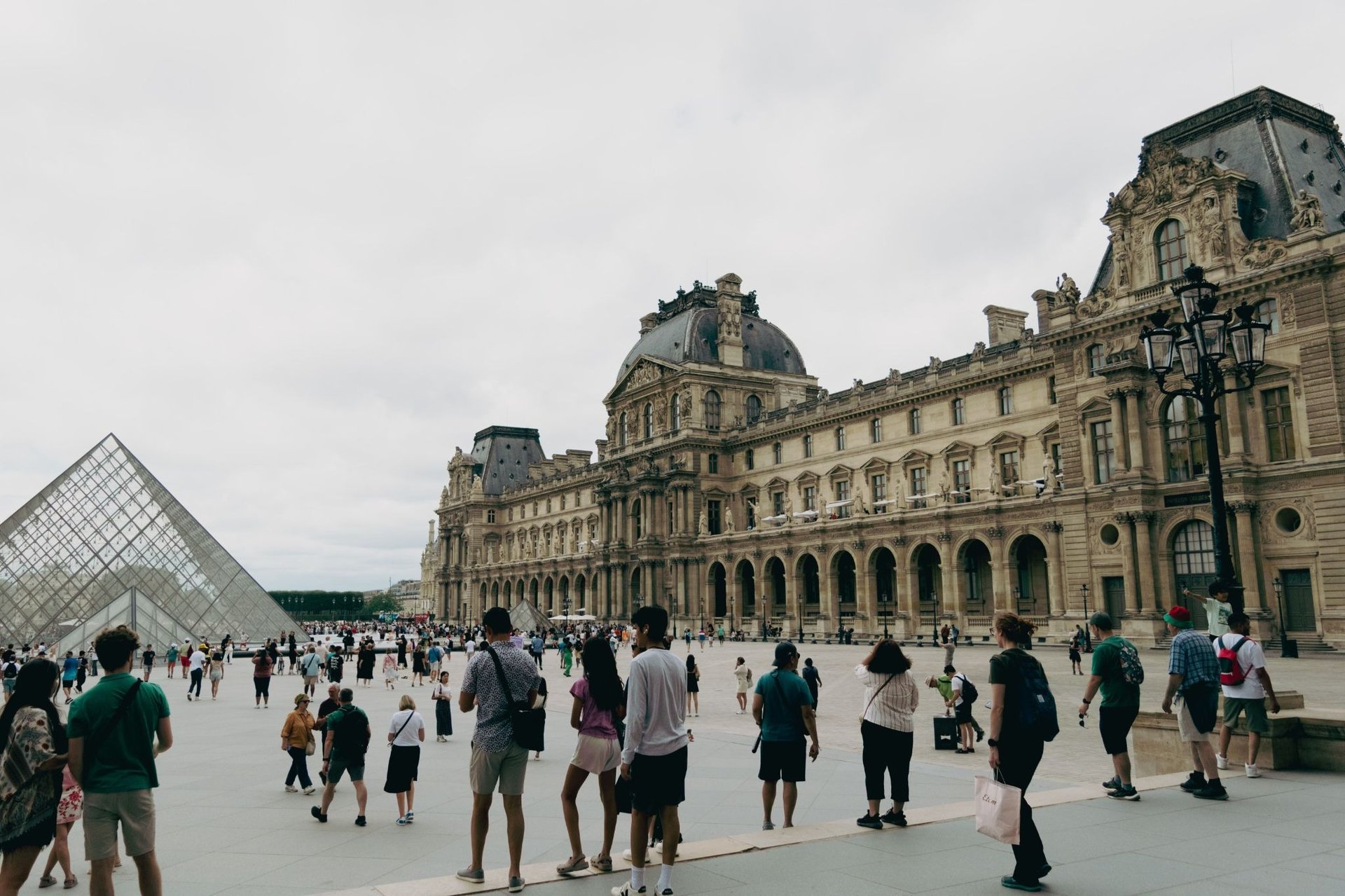
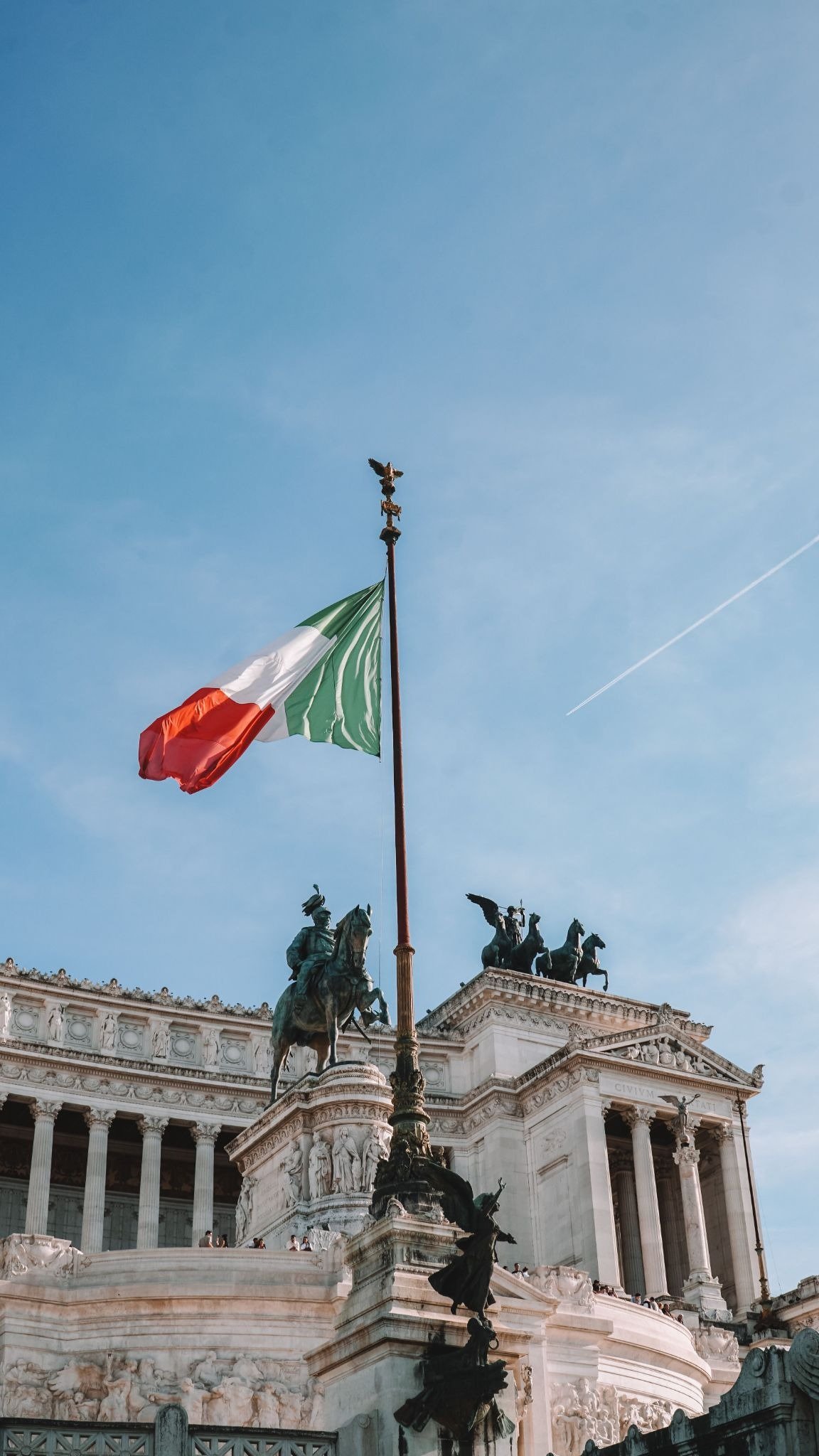
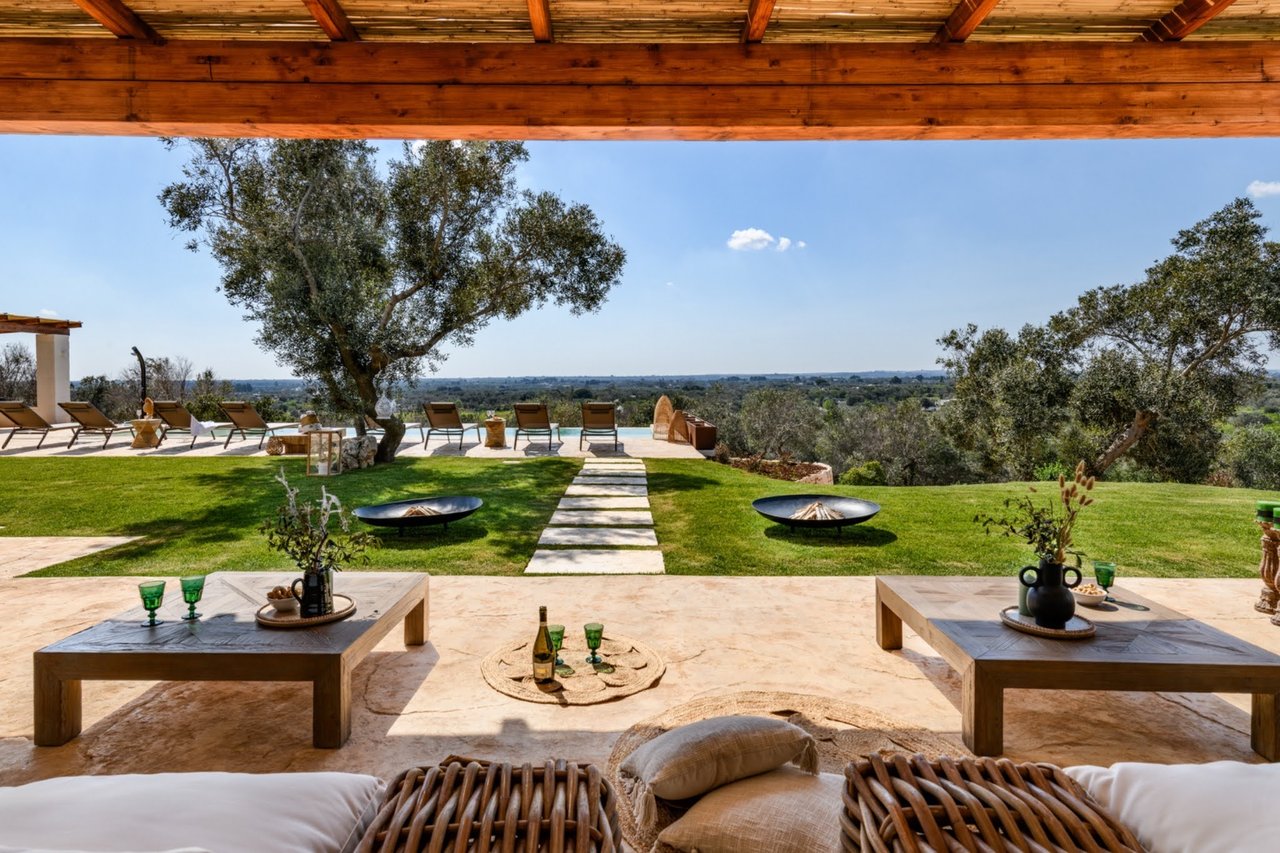
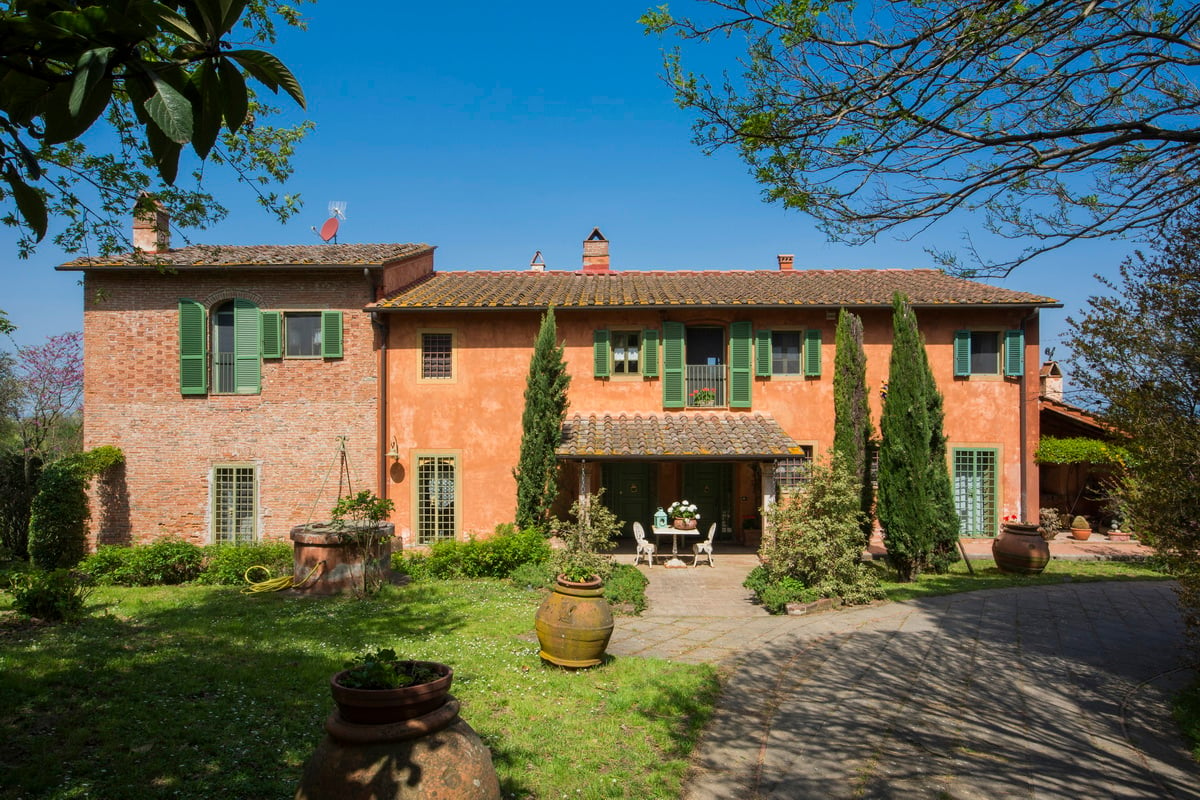
In Italy, greetings and personal interactions are an important part of everyday life. When entering a shop, café, or restaurant, it is polite to greet someone with buongiorno (good morning or good day) or buonasera (good evening). Italians often appreciate friendly conversations, but more formal greetings are generally appropriate when meeting someone for the first time. Taking a moment to acknowledge others and use a few basic Italian phrases can make interactions feel more welcoming.
Dining is also an important part of Italian culture, with meals often enjoyed at a slower pace. At restaurants, it is common to wait to be seated and request the bill when ready rather than expecting it to arrive automatically. Travelers should also be aware of the traditional afternoon break, sometimes called riposo, when certain shops and businesses close for a few hours, often between approximately 1 p.m. and 4 p.m. This allows time for lunch and rest, although the practice varies by region and is less common in major tourist areas. Planning around these hours can help visitors avoid unexpected closures. Beyond dining and daily routines, visitors should also be mindful of local customs when exploring Italy’s historic and religious sites. When visiting churches and religious landmarks, dressing modestly and following posted guidelines is an important way to show respect.

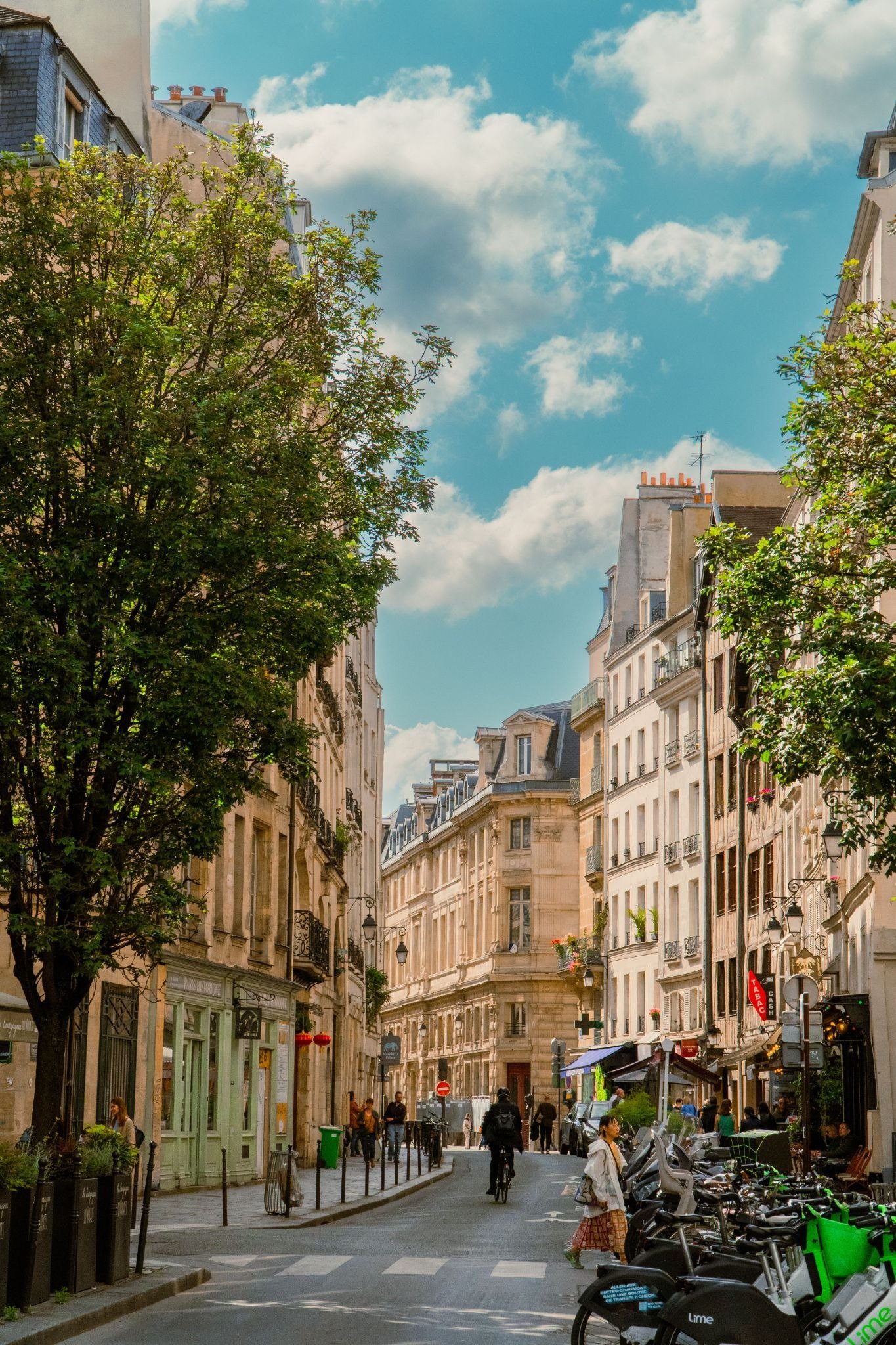
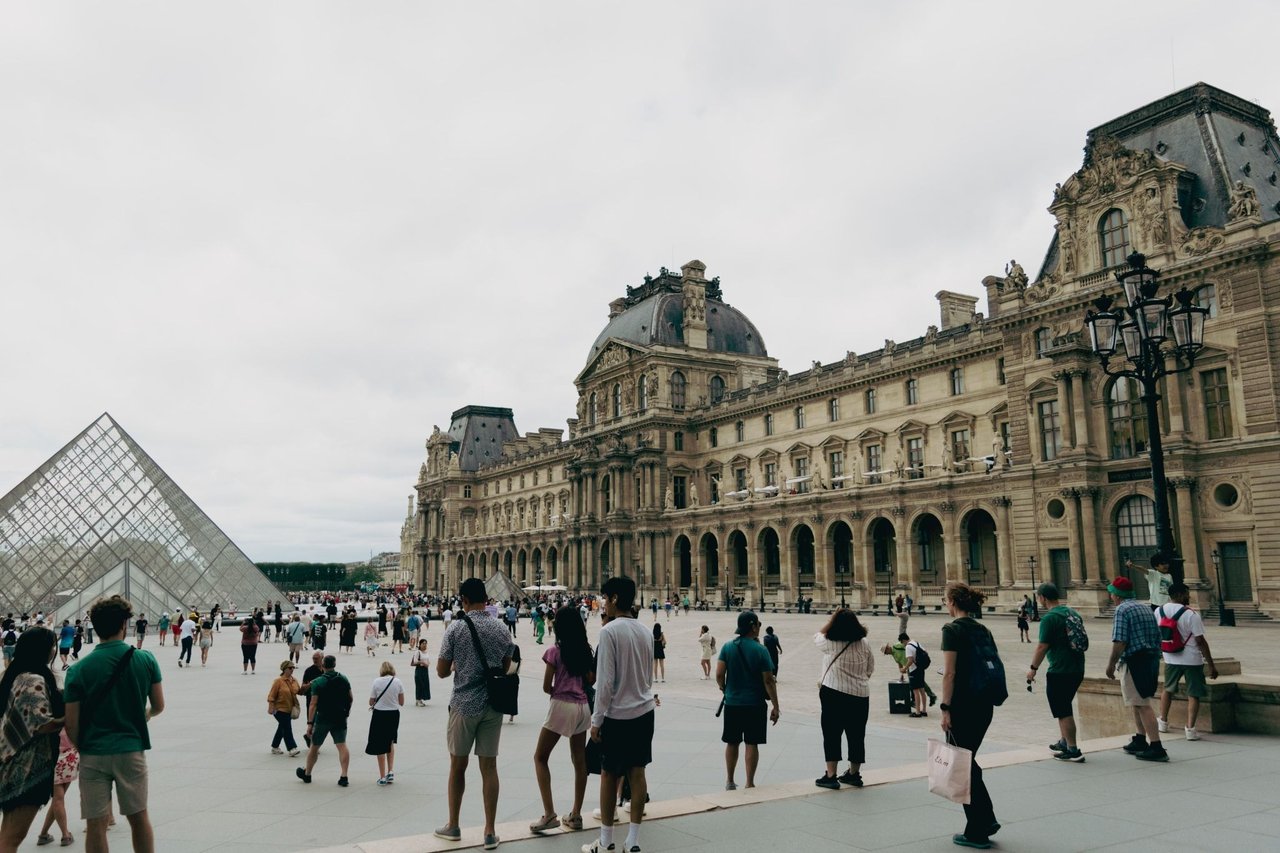
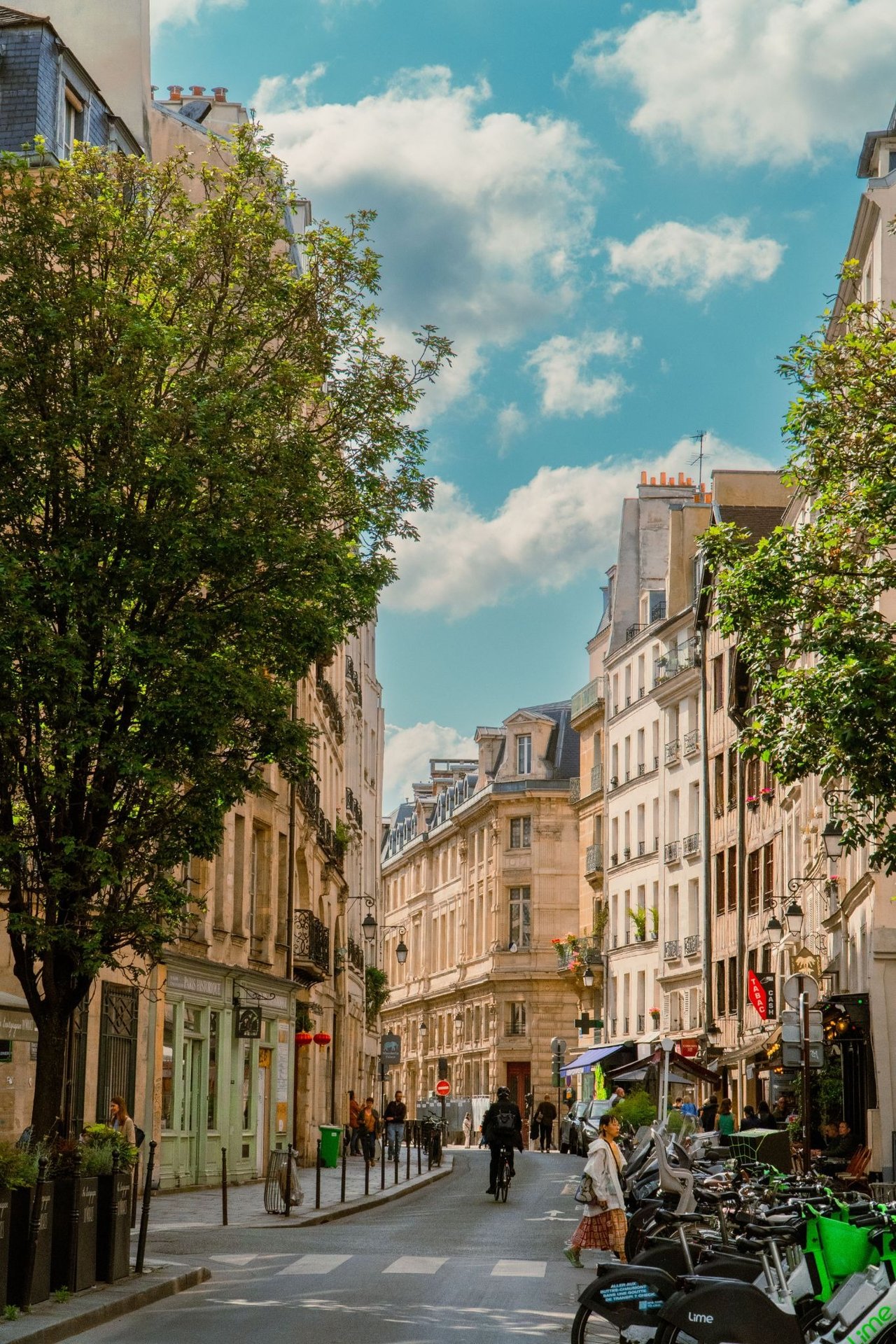
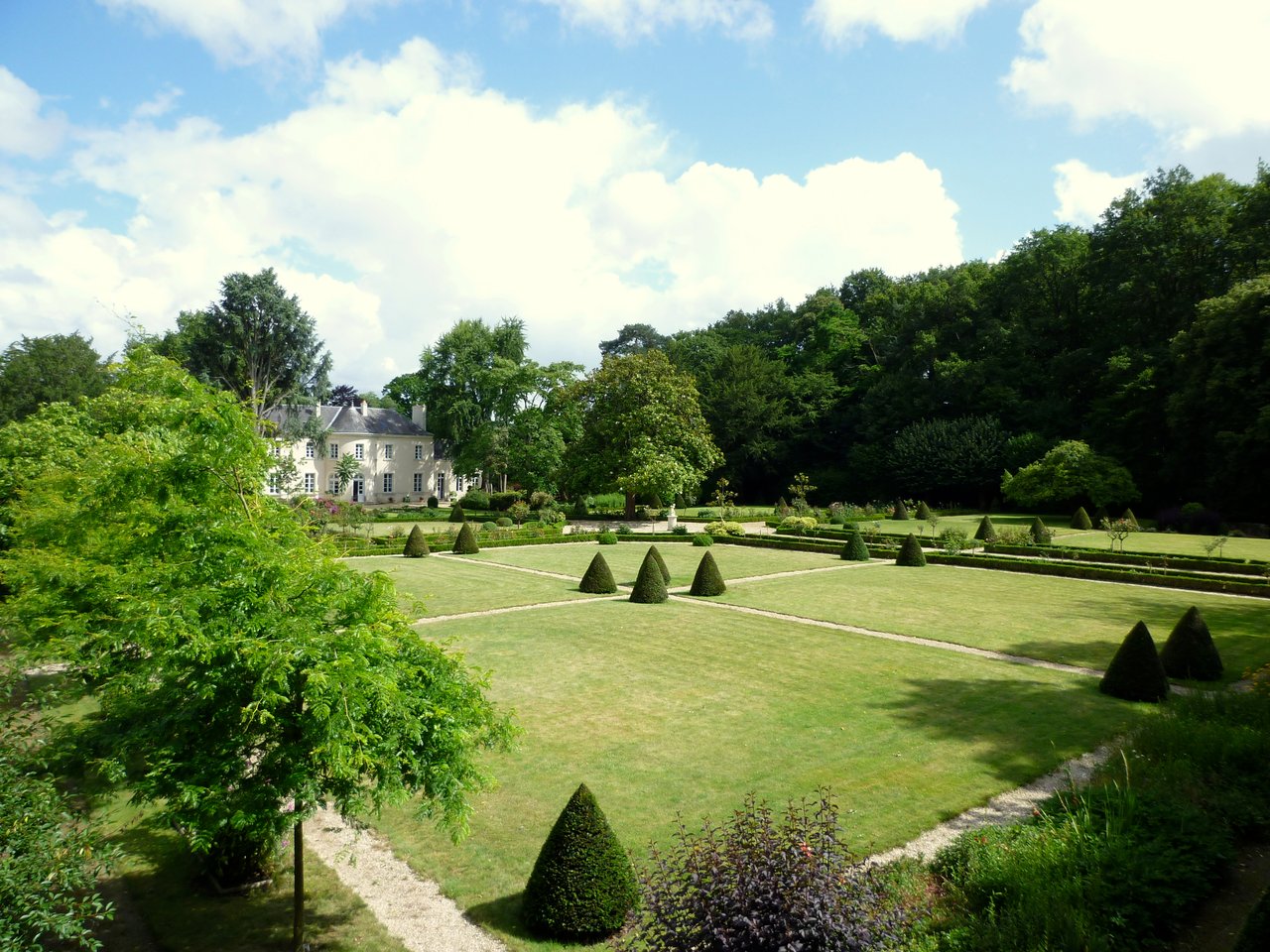
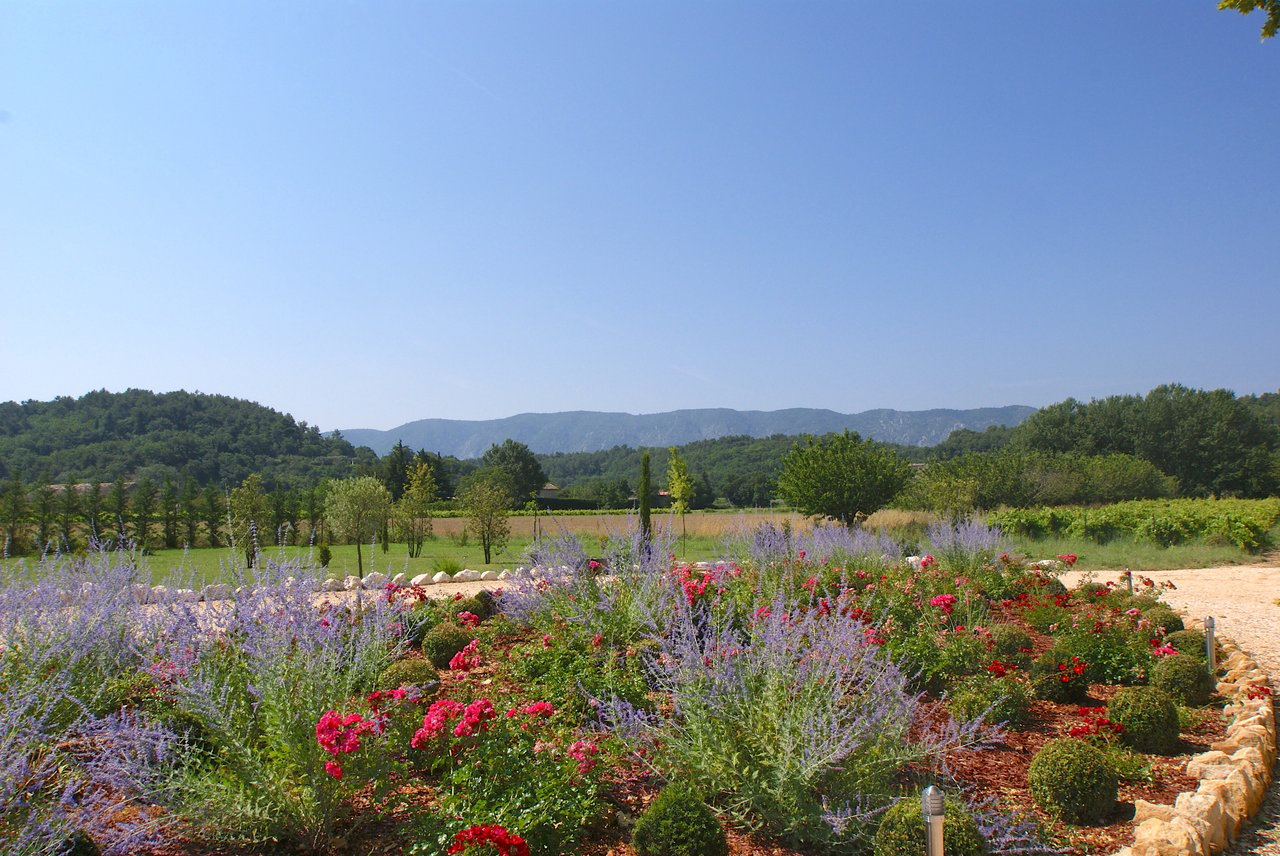
In France, politeness plays an important role in everyday interactions. One of the simplest ways to show respect is by saying bonjour (hello or good day) when entering a store, café, or restaurant. Using expressions such as merci (thank you) and s'il vous plaît (please) is also appreciated. When speaking with someone unfamiliar, beginning with a polite greeting and using a more formal tone can help create a positive interaction. Even travelers who do not speak French fluently can make a good impression by learning a few common phrases.
French traditions often emphasize enjoying food and conversation without feeling rushed. Meals can be leisurely, and restaurant guests typically ask for the check when they are ready to leave. Keeping conversations at a moderate volume and respecting the atmosphere of restaurants and cafés are also good practices. Beyond dining, visitors should be mindful of appropriate clothing and behavior when exploring museums, churches, and historic landmarks. Understanding these expectations allows travelers to experience French culture while being respectful of local traditions.
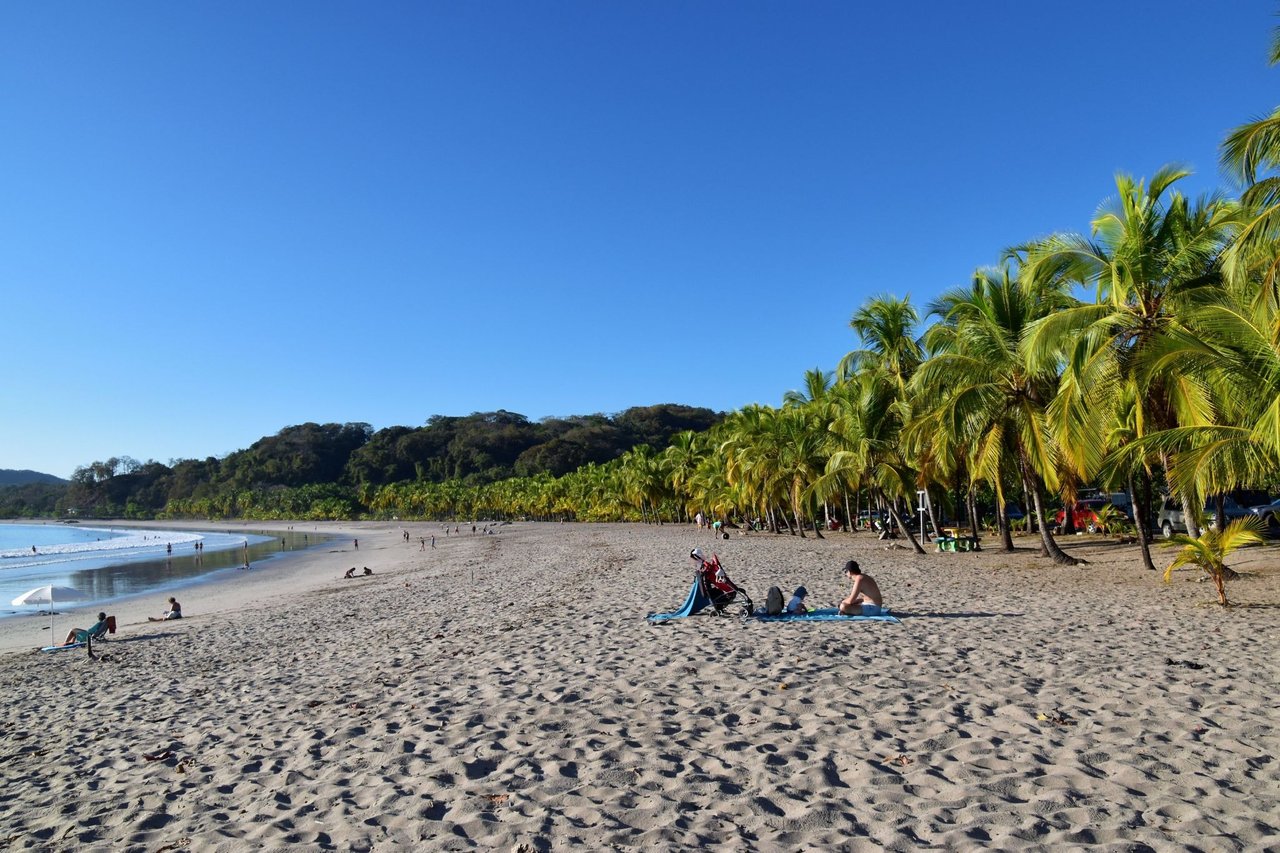
Costa Rica is known for its welcoming atmosphere and the expression pura vida, which translates to "pure life." More than just a common saying, it reflects an appreciation for everyday experiences, positivity, and a relaxed approach to life. Visitors will often hear pura vida used as a greeting, a thank-you, or a response to someone asking how they are doing. Simple greetings such as hola (hello) and buenos días (good morning) are also appreciated. Taking the time to interact politely with residents can help travelers feel more connected to the local culture.
Hospitality and spending time with family and friends are important parts of Costa Rican life, and meals often provide opportunities to connect with others. Travelers should approach these experiences with appreciation and respect for local customs. Costa Rica is also recognized for its commitment to environmental conservation, making responsible tourism especially important. When exploring beaches, rainforests, and national parks, visitors should stay on designated trails, avoid feeding or disturbing wildlife, and follow local conservation guidelines. Respecting both the people and natural environment helps preserve what makes Costa Rica such a special destination.
Understanding cultural etiquette is a simple but meaningful way to prepare for international travel. Whether greeting a shop owner in Italy, practicing polite expressions in France, or embracing the pura vida lifestyle in Costa Rica, small efforts can make a positive difference. Learning about local customs before arriving can also help travelers avoid misunderstandings and feel more confident navigating unfamiliar surroundings.
Each destination offers its own traditions, experiences, and ways of life that make traveling memorable. By approaching new cultures with curiosity and respect, visitors can create more meaningful connections and gain a better appreciation for the places they explore. From Italy's dining traditions to France's emphasis on politeness and Costa Rica's welcoming atmosphere, embracing local customs is part of what makes international travel so rewarding. For those interested in purchasing property abroad, Handsome International can help guide you through the process. Visit our international contact page to learn more about buying real estate overseas and connecting with our team.
Stay up to date on the latest real estate trends.



Best Time to Visit France
Deborah is dedicated to helping you find your dream home and assisting with any selling needs you may have. Contact Deborah today to start your home searching journey!
Get In Touch With Me To Learn More
HANDSOME PROPERTIES INTERNATIONAL
11 Broad Street Charleston, SC 29401